NEJMoa2507100
Visão geral

The new engl and jour nal of medicine
Original Article
A Pragmatic Trial of Glucocorticoids for Community-Acquired Pneumonia
R.K. Lucinde,1 H. Gathuri,1 P. Mwaniki,1 B. Orindi,1 E.O. Otieno,1 S. Mwakio,1 L. Mulemi,1 L. Isaaka,1 J. Shangala,1 M. Saisi,1 E. Isinde,1 I.N. Oginga,2 A.W. Wachira,3 E. Manuthu,4 H. Kariuki,5 P. Asaava,5 J. Nyikuli,6 C. Wekesa,6 A. Otedo,7 H. Bosire,7 S.B. Okoth,8 W. Ongalo,8 D.M. Mukabi,9 W. Lusamba,9 B. Muthui,10 I. Adembesa,11 C. Mithi,11 M. Sood,12 N.A. Aliyan,13 B. Gituma,14 M.G. Matiko,15 C.A. Omondi,16 L.A. Ombajo,17,18 N. Kirui,19 L. Ochola,20 A.I. Abdi,1,21 E.W. Kagucia,1 M. English,1,21 M. Hamaluba,1 I. Ochola‑Oyier,1 D. Kamuya,1 P. Bejon,1 E. Barasa,1 A. Agweyu,1,22 S. Akech,1 and A.O. Etyang1
ABSTR ACT
BACKGROUND
Adjunctive glucocorticoids may reduce mortality among patients with severe com- The authors’ full names, academic de-munity-acquired pneumonia (CAP) in well-resourced settings. Whether these drugs grees, and affiliations are listed at the end of the article. Ruth K. Lucinde can be are beneficial in low-resource settings with limited diagnostic and treatment facilities contacted at rlucinde@kemri-wellcome is unclear. .org or at the Kenya Medical Research In- stitute–Wellcome Trust Research Program, METHODS P.O. Box 230, Kilifi, Kenya.
In this pragmatic, open-label, randomized, controlled trial conducted in 18 public This article was published on October 29, hospitals in Kenya, we assigned adult patients who had received a diagnosis of CAP 2025, at NEJM.org.
and who did not have a clear indication for glucocorticoids to receive either standard DOI: 10.1056/NEJMoa2507100 care for CAP or oral low-dose glucocorticoids for 10 days in addition to standard Copyright © 2025 Massachusetts Medical Society.
care. The primary outcome was death from any cause at 30 days after enrollment.
RESULTS
A total of 2180 patients underwent randomization (1089 assigned to the glucocorticoid group and 1091 to the standard-care group). The median age of the patients was 53 years (interquartile range, 38 to 72); 46% were women. At day 30, deaths were reported in 530 patients (24.3%): 246 patients (22.6%) in the glucocorticoid group and 284 patients (26.0%) in the standard-care group (hazard ratio, 0.84; 95% confi-dence interval, 0.73 to 0.97; P = 0.02). The frequencies of adverse events and serious adverse events were similar in the two trial groups. Serious adverse events that were considered to be related to glucocorticoid administration occurred in 5 pa-tients (0.5%).
CONCLUSIONS
In patients with CAP in a low-resource setting, adjunctive glucocorticoid therapy was associated with a lower risk of death than standard care. (Funded by Wellcome TrusIA PACTR number, PACTR202111481740832; ISRCTN num-ber, .)
n engl j med nejm.org 1
The New England Journal of Medicine is produced by NEJM Group, a division of the Massachusetts Medical Society.
Downloaded from nejm.org at Pontificia Universidade Católica do Rio G.S. on November 29, 2025.
Copyright © 2025 Massachusetts Medical Society. All rights reserved, including those for text and data mining, AI training, and similar technologies.
The new engl and jour nal of medicine
C from CAP in sub-Saharan Africa is three to five is a leading cause of complications and death worldwide.1 The case-fatality rate ommunity-acquired pneumonia (CAP)
times the rate in high-income settings despite a markedly younger average age of the patients.1,2 Glucocorticoids have been proposed as ad-junctive therapy for CAP owing to their immuno-modulatory effects.3 Data from two recent trials4,5 and systematic reviews of adjunctive hydrocorti-sone in patients who had been admitted to an intensive care unit (ICU) for CAP6-8 indicate re-duced mortality among these patients. However, uncertainty remains because no benefit was shown in other studies.4,9,10 Some3 but not all11 guide-lines have been updated to recommend the use of glucocorticoids in selected groups with CAP, but it is unclear what the risks and benefits would be for patients in low-resource settings such as sub-Saharan Africa.
First, previous trials involved patients who were considerably older than those in sub-Saha-ran Africa and excluded patients with coexisting illnesses that are common among patients with CAP in sub-Saharan Africa, such as human im-munodeficiency virus (HIV) infection and pulmo-nary tuberculosis. Second, delayed presentation to a hospital, which is common in sub-Saharan Africa, could compromise the effectiveness of adjunctive glucocorticoids for CAP, because evi-dence suggests that glucocorticoids should be given early in the course of the disease.4,5 Third, limitations in diagnostic capacity in low-resource settings make it difficult to stratify patients ac-cording to the severity of CAP, which appears to influence measures of glucocorticoid efficacy. Finally, most of the evidence showing mortality reduction with use of adjunctive glucocorticoids is derived from studies conducted in ICUs, but studies that were not based in ICUs did not have mortality as a primary end point.12,13 The limited availability of ICUs in sub-Saharan Africa14 con-strains the ability to identify and treat severely ill patients and manage any adverse events that may result from glucocorticoid administration.
We conducted a pragmatic, randomized, con-trolled trial — Steroids in Pneumonia (SONIA) — to evaluate the effectiveness and safety of adjunctive low-dose glucocorticoids in adult pa-tients hospitalized with CAP in Kenya.
Methods
Trial Design and Patients
The trial15 was conducted in 18 first-level referral hospitals that are part of a clinical information network in Kenya (Fig. S1 in the Supplementary Appendix, available with the full text of this ar-ticle at NEJM.org).16 Access to ICUs was either very limited or nonexistent in these hospitals (Table S4), and patients were recruited from the general medical wards.
Eligible patients were adults (≥18 years of age) who had received a diagnosis of CAP and who did not have a clear indication for glucocor-ticoids to be included as part of their treatment. CAP was defined as the presence of at least two of the following signs and symptoms for less than 14 days: cough, fever, dyspnea, hemoptysis, chest pain, or crackles on chest examination. The patients were enrolled within the first 48 hours after hospital admission. Patients were excluded if they had a contraindication to the receipt of glucocorticoids, were pregnant or breast-feeding, had hospital-acquired pneumonia, or had a known or suspected condition warranting the use of glucocorticoids (e.g., asthma or coronavirus dis-ease 2019 [Covid-19]). The assessment of the cause of CAP through imaging or laboratory tests and the use of standard severity scoring are frequent-ly unavailable at the participating centers and were not a prerequisite for enrollment in the trial.
Oversight
We obtained ethical approval from the Kenyan Medical Research Institute Scientific and Ethics Review Unit, the Kenya Pharmacy and Poisons Board, and the Tropical Research Ethics Com-mittee at the University of Oxford. Additional approvals were received from the institutional review boards and hospital administration at all 18 trial sites. Written informed consent was ob-tained from all the patients or their legally accept-able representative. An independent trial steering committee and data and safety monitoring board provided trial and safety oversight.
The data and safety monitoring board, which reviewed the results of an interim analysis that was conducted after approximately half the tar-geted number of primary events had occurred (with stopping guidelines based on the Haybittle–
2 n engl j med nejm.org
The New England Journal of Medicine is produced by NEJM Group, a division of the Massachusetts Medical Society.
Downloaded from nejm.org at Pontificia Universidade Católica do Rio G.S. on November 29, 2025.
Copyright © 2025 Massachusetts Medical Society. All rights reserved, including those for text and data mining, AI training, and similar technologies.
Glucocorticoids for Community-Acquired Pneumonia
Peto rules17), recommended continuation of the trial. Details regarding the interim analysis are provided in the Supplementary Appendix.
The first and last authors had access to all the trial data and vouch for the accuracy and com-pleteness of the data and for the fidelity of the trial to the protocol (available at NEJM.org). The trial funders had no role in the trial design; in the collection, analysis, or interpretation of the data; or in the writing of the manuscript.
Trial Procedures and Follow-up
The patients in this open-label trial were randomly assigned in a 1:1 ratio to receive either low-dose glucocorticoids plus standard care (glucocorticoid group) or standard care alone (standard-care group). Before the recruitment of patients, an inde-pendent trial statistician at a central location sealed randomization cards into opaque envelopes. Sites received batches of these sealed envelopes, which were securely stored and opened sequen-tially only after confirming the eligibility of pa-tients and their enrollment in the trial.
The elements of standard care were determined by the attending physicians and included the ad-ministration of a beta-lactam (such as benzyl-penicillin or a cephalosporin) and a macrolide (typically, erythromycin or azithromycin), accord-ing to the guidelines of the World Health Orga-nization.18
The patients in the glucocorticoid group un-derwent additional randomization to receive a single daily dose of one of five locally available glucocorticoids in bioequivalent doses for a total of 10 days (including after discharge) in addition to standard care. The five dose groups received 6 mg of dexamethasone, 160 mg of hydrocorti-sone, 30 mg of methylprednisolone, 50 mg of prednisolone, or 50 mg of prednisone (Table S5). The dose and duration of glucocorticoid therapy was informed by the findings in the RECOVERY trial.19 If oral administration of glucocorticoids was not possible at enrollment, intravenous for-mulations were administered until it was clinically possible to revert to oral formulations (Table S11). Because of the high pill burden imposed by locally available formulations of hydrocortisone and pred-nisone (Table S5), these formulations were discon-tinued after the second month of recruitment. There was no tapering of glucocorticoid dose at the end of treatment.20
The trial team provided glucocorticoids free of charge but did not influence any other aspects of patient treatment. During hospitalization, the patients received in-person daily follow-up by the trial team. Follow-up after discharge from the hospital was performed through telephone calls made to the patients or their next of kin on days 14 and 30 after enrollment. A local clinical of-ficer (nonphysician clinician21) was employed at each hospital to conduct trial roles, including recruitment and follow-up. This clinician had no role in patient treatment, which was performed by the local hospital medical teams led by a con-sulting physician.
Outcomes
The primary outcome was death from any cause within 30 days after enrollment. Secondary out-comes included death at days 7, 14, and 21 and death during hospitalization and after discharge up to 30 days after enrollment. Safety outcomes consisted of adverse events and serious adverse events. Data regarding an additional prespecified secondary outcome of immune response were collected during the trial but are not included in this report.
Statistical Analysis
We estimated that the enrollment of 2180 pa-tients would provide the trial with 85% power to detect a 25% lower mortality in the glucocorti-coid group than in the standard-care group at day 30, assuming 20% mortality in the standard-care group and 15% in the glucocorticoid group and allowing for 5% loss to follow-up.1,2,15 The statistical analysis plan was approved by the trial data and safety monitoring board.
The primary analysis was a comparison of 30-day mortality in the glucocorticoid and stan-dard-care groups in the intention-to-treat popu-lation, which included all the patients who had undergone randomization. We used a Cox regres-sion model that incorporated the trial site as a stratification variable to estimate the hazard ratio for death and its associated 95% confidence in-terval. The proportional-hazards assumption was assessed by plotting Schoenfeld residuals (Fig. S3) and was confirmed to be valid. We used a strati-fied log-rank test to compare survival curves for the two trial groups.
We performed prespecified subgroup analyses
n engl j med nejm.org 3
The New England Journal of Medicine is produced by NEJM Group, a division of the Massachusetts Medical Society.
Downloaded from nejm.org at Pontificia Universidade Católica do Rio G.S. on November 29, 2025.
Copyright © 2025 Massachusetts Medical Society. All rights reserved, including those for text and data mining, AI training, and similar technologies.
The new engl and jour nal of medicine
(according to age, sex, glucocorticoid type, trial region, and oxygen saturation at admission) by including interaction terms in the regression models. Secondary outcome analyses included a comparison of mortality at days 7, 14, and 21 both during hospitalization and after discharge according to trial group. Statistical analyses for secondary end points were not adjusted for mul-tiple testing, so the widths of the confidence in-tervals should not be used to replace hypothesis testing.
Safety analyses included patients who had received at least one dose of any trial treatment. Frequencies of adverse events were presented ac-cording to severity and relationship to treatment for patients in the glucocorticoid group.
After we performed extensive exploration of missing data, we assumed that data were miss-ing at random.22 We conducted two post hoc sen-sitivity analyses in populations that were defined as follows: a complete-case population (which ex-cluded patients with missing outcome data at 30 days) and a modified intention-to-treat popu-lation (which excluded patients who had received glucocorticoids before randomization).
Results
Patients
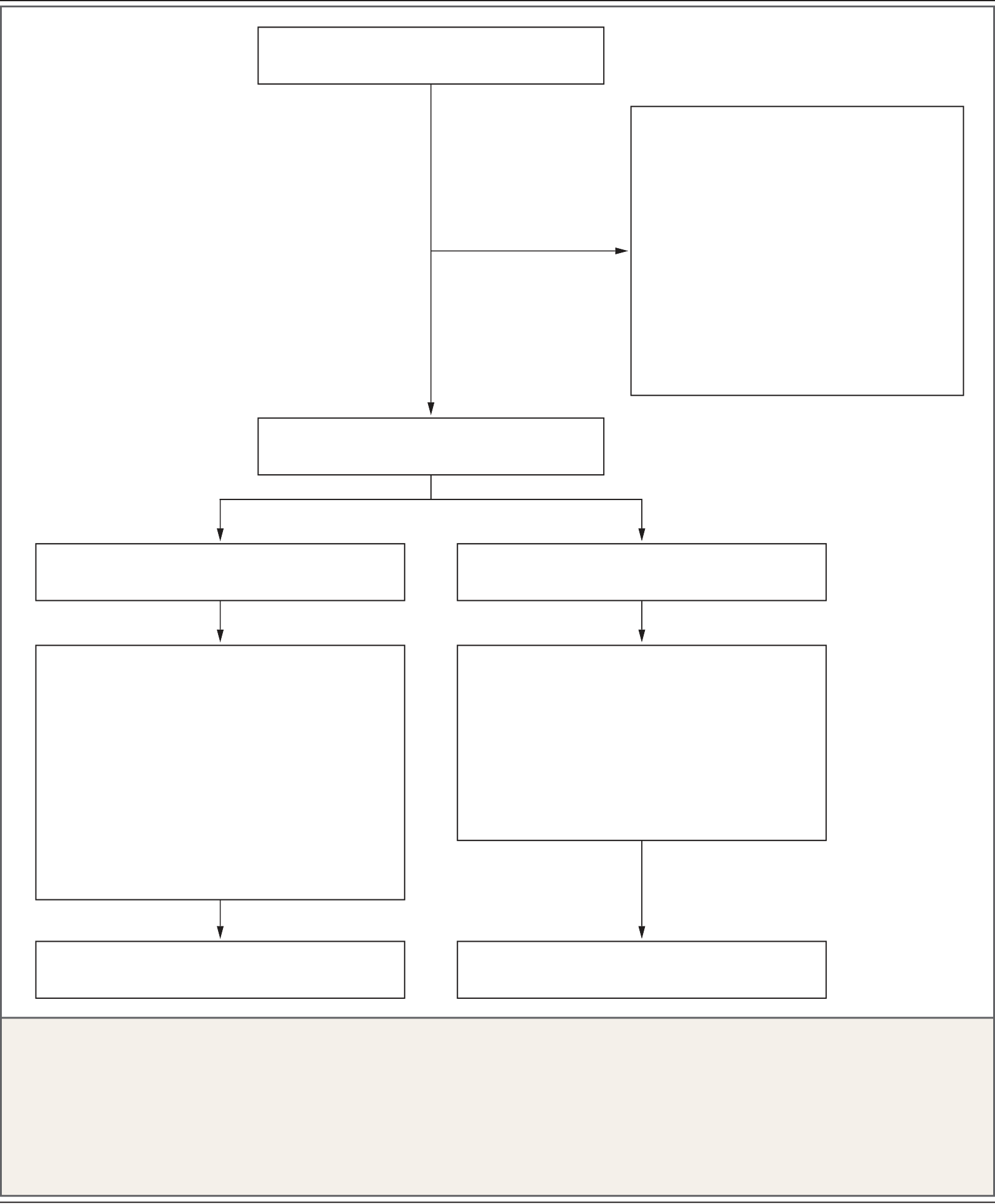
Recruitment took place from April 26, 2022, to June 30, 2024. A total of 46,224 patients who had been admitted to the adult medical wards of the participating hospitals were screened (Fig. 1 and Table S6). Of the 2180 patients who under-went randomization, 1089 were assigned to re-ceive standard care plus glucocorticoids and 1091 to receive standard care alone. Vital status was known for 2107 of these patients (96.7%) at day 14 and for 2082 patients (95.5%) at day 30. Of the 98 patients (4.5%) with missing day 30 data, 75 patients (3.4%) had been withdrawn from the trial and 23 patients (1.1%) had been lost to fol-low-up (Fig. 1).
The median age at enrollment was 53 years (interquartile range, 38 to 72); 1009 patients (46.3%) were women, and 808 (37.1%) had low oxygen saturation (<90%) at admission. The char-acteristics of the patients at enrollment (Table 1), antibiotics received (Table S7), and adherence to prescribed medications (Table S12) were similar in the two trial groups. The patients were consid-ered to be representative of the general adult popu-
lation with CAP at the trial sites (Table S9). The most common coexisting illnesses at admission were HIV infection in 344 patients (15.8%) and hypertension in 300 patients (13.8%) (Table 1 and Table S10). Of the 1089 patients who were assigned to receive glucocorticoids, 352 (32.3%) were assigned to receive methylprednisolone, 343 (31.5%) to receive prednisolone, 371 (34.1%) to receive dexamethasone, and 23 (2.1%) to receive either hydrocortisone or prednisone (Table S11). The median duration of glucocorticoid treatment during the in-hospital period was 4 days (inter-quartile range, 2 to 8) (Table S7). Overall, 5 pa-tients (0.2%) were transferred to an ICU during their hospital stay.
Primary Outcome
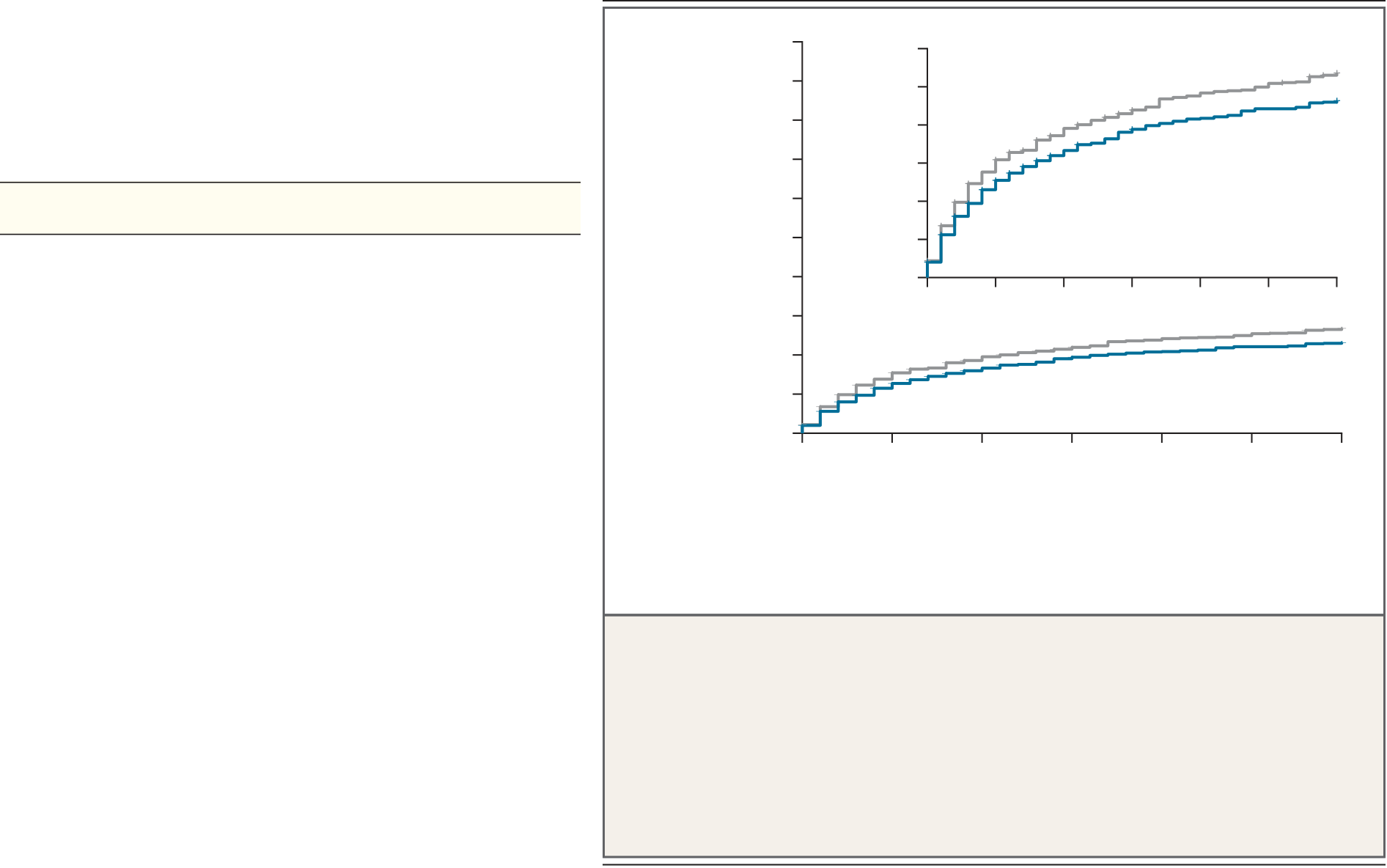
Of the 2180 patients who were included in the intention-to-treat analyses, death was reported in 530 patients (24.3%; 95% confidence interval [CI], 22.5 to 26.1) within the 30-day follow-up period. Of these deaths, 246 of 1089 (22.6%; 95% CI, 20.2 to 25.2) occurred in the glucocorticoid group and 284 of 1091 (26.0%; 95% CI, 23.5 to 28.7) in the standard-care group. The patients who were receiving glucocorticoids had a lower 30-day mor-tality than those who were receiving standard care alone (hazard ratio for death, 0.84; 95% CI, 0.73 to 0.97; P = 0.02) (Fig. 2).
Secondary Outcomes
The risk of death at 7 days, 14 days, and 21 days after enrollment was consistent with the results for the primary outcome (Table S13). In the gluco-corticoid group, deaths were reported in 196 of 1089 patients (18.0%) during hospitalization and in 50 of 1089 patients (4.6%) outside the hospital; in the standard-care group, deaths occurred in 223 of 1091 patients (20.4%) and in 61 of 1091 patients (5.6%), respectively (Table S14). Deaths that were stratified according to prespecified sub-groups are presented in Figure 3.
In a post hoc sensitivity analysis, the hazard ratio for death in the complete-case analysis in-volving 2082 patients was 0.84 (95% CI, 0.73 to 0.96) and the hazard ratio in the modified inten-tion-to-treat analysis involving 2142 patients was 0.83 (95% CI, 0.72 to 0.97) (Table S15).
Safety
A total of 385 adverse events in 338 patients were reported by day 30 after baseline. Of these events,
4 n engl j med nejm.org
The New England Journal of Medicine is produced by NEJM Group, a division of the Massachusetts Medical Society.
Downloaded from nejm.org at Pontificia Universidade Católica do Rio G.S. on November 29, 2025.
Copyright © 2025 Massachusetts Medical Society. All rights reserved, including those for text and data mining, AI training, and similar technologies.
Glucocorticoids for Community-Acquired Pneumonia
46,224 Patients were assessed for eligibility
44,044 Were excluded
39,643 Did not meet criteria for diagnosis
of community-acquired pneumonia
1,122 Were readmissions
462 Had been in hospital >48 hr
1,194 Had a condition requiring
treatment with glucocorticoids
39 Were pregnant or breast-feeding
124 Tested positive for Covid-19
106 Had a contraindication to gluco-
corticoid administration
518 Were <18 yr of age
531 Declined to give consent
305 Had other reasons for ineligibility
2180 Underwent randomization
1089 Were assigned to receive oral low-dose glucocorticoids plus standard care
43 Discontinued participation in the trial
1091 Were assigned to receive standard care
55 Discontinued participation in the trial
34 Were withdrawn 41 Were withdrawn
5 Withdrew consent 2 Withdrew consent
1 Was withdrawn by investigator 1 Was withdrawn by investigator 4 Had adverse event 33 Received glucocorticoid for other 16 Received glucocorticoid for other medical condition
medical condition 5 Had a new diagnosis that superseded 7 Had a new diagnosis that superseded CAP diagnosis
CAP diagnosis 14 Were lost to follow-up
1 Had a contraindication to glucocorticoid
administration
9 Were lost to follow-up
1089 Were included in the 1091 Were included in the intention-to-treat analysis intention-to-treat analysis
Figure 1. Enrollment and Outcomes.
Of the 2180 patients with community-acquired pneumonia who were assigned to receive either standard care or oral low-dose glucocorticoids in addition to standard care, reasons for withdrawal from the trial included a lack of consent, adverse events, and receipt of a glucocorticoid for other medical conditions. Investigator-led withdrawals of one patient in each group were due to the recommendation of a hospital physician to allow the patient to receive glucocorticoids as part of their treatment. Covid-19 denotes coronavirus disease 2019.
18 (4.7%) were severe adverse events, 200 (51.9%) were mild events, and 167 (43.4%) were moderate events. Of the 211 adverse events that were re-ported in the glucocorticoid group, 62 (29.4%) were determined by the investigator to be related to glucocorticoid administration. The most com-mon adverse events were pulmonary tuberculosis (34 events [16.1%]) and hyperglycemia (35 events [16.6%]) among the 211 events reported in the glucocorticoid group and pulmonary tuberculo-
sis (35 events [20.1%]) and acute kidney injury (14 events [8.0%]) among the 174 events report-ed in the standard-care group (Table S17).
A total of 96 serious adverse events were re-ported throughout the study. Such events that were deemed by the investigator to be possibly related to glucocorticoid administration were reported in 5 of 1089 participants (0.5%) in the glucocorticoid group (Table 2). Among the patients with serious adverse events, the most common event in the
n engl j med nejm.org 5
The New England Journal of Medicine is produced by NEJM Group, a division of the Massachusetts Medical Society.
Downloaded from nejm.org at Pontificia Universidade Católica do Rio G.S. on November 29, 2025.
Copyright © 2025 Massachusetts Medical Society. All rights reserved, including those for text and data mining, AI training, and similar technologies.

The new engl and jour nal of medicine
Table 1. Characteristics of the Patients at Baseline.*
Glucocorticoid Standard-Care Group Group Characteristic (N = 1089) (N = 1091)
Median age (IQR) — yr 52 (38–72) 53 (38–72) Sex — no. (%)
Male 578 (53.1) 593 (54.4) Female
511 (46.9) 498 (45.6) Body-mass index† 24.1±12.9 24.0±7.6 Chest radiograph available — no. (%)‡ 423 (38.8) 425 (39.0) Oxygen saturation at admission — no. (%)
<90% 404 (37.1) 404 (37.0) ≥90% 650 (59.7) 659 (60.4) Missing data
35 (3.2) 28 (2.6) Altered mental state — no. (%) 24 (2.2) 26 (2.4) Systolic blood pressure — no. (%)
<90 mm Hg 92 (8.4)
86 (7.9) ≥90 mm Hg 995 (91.4) 1003 (91.9) Missing data 2 (0.2) 2 (0.2) Respiratory rate — no. (%)
<30/min 996 (91.5) 1016 (93.1) ≥30/min 52 (4.8) 45 (4.1) Missing data 41 (3.8)
30 (2.7) Temperature — no. (%)
35.0°C to 39.9°C 1008 (92.6) 1019 (93.4) <35°C or ≥40°C 7 (0.6) 7 (0.6) Missing data 74 (6.8) 65 (6.0) Pulse rate — no. (%)
<125/min 930 (85.4) 978 (89.6) ≥125/min
154 (14.1) 109 (10.0) Missing data 5 (0.5) 4 (0.4) Blood glucose — no. (%)
<252 mg/dl 993 (91.2)
975 (89.4) ≥252 mg/dl 31 (2.8) 51 (4.7) Missing data 65 (6.0) 65 (6.0) HIV infection status — no. (%)
Positive 178 (16.3) 166 (15.2) Negative 411 (37.7) 431 (39.5) Unknown 500 (45.9)
494 (45.3) Chronic illness — no. (%)§ 390 (35.8) 398 (36.5) Hypertension 143 (13.1) 157 (14.4) Diabetes mellitus
50 (4.6) 70 (6.4) Congestive cardiac failure 17 (1.6) 21 (1.9) Pulmonary tuberculosis 21 (1.9) 10 (0.9) Other 42 (3.9) 47 (4.3)
† The body-mass index is the weight in kilograms divided by the square of the height in meters.
‡ Chest radiographs were not reviewed by radiologists, and no formal clinical reports were available.
§ Additional details regarding chronic illnesses are provided in Table S10 in the Supplementary Appendix. Some partici- pants reported more than one chronic illness at enrollment.
6 n engl j med nejm.org
The New England Journal of Medicine is produced by NEJM Group, a division of the Massachusetts Medical Society.
Downloaded from nejm.org at Pontificia Universidade Católica do Rio G.S. on November 29, 2025.
Copyright © 2025 Massachusetts Medical Society. All rights reserved, including those for text and data mining, AI training, and similar technologies.
Glucocorticoids for Community-Acquired Pneumonia
two groups was progression to severe CAP, which
occurred in 9 of 45 patients (20.0%) in the gluco- 100 30 Standard care
corticoid group and in 5 of 51 patients (9.8%) in 90 25
the standard-care group (Table S18). 80 20 Glucocorticoids
70 15
Discussion
In this trial conducted under pragmatic conditions in Kenya, we found a lower risk of death from any cause among patients with CAP who were assigned to receive glucocorticoids along with standard care within 48 hours after hospital admission than among those assigned to receive standard care alone. Although the effect size (hazard ratio, 0.84) was smaller than that in previous reports from France (hazard ratio, 0.53),5 Egypt (hazard ratio, 0.22),23 and a meta-analysis of 12 trials (hazard ratio, 0.62),8 our results are consistent in identi-fying a beneficial effect of glucocorticoids in the management of CAP.
Our trial differs from several other trials that have evaluated adjunctive glucocorticoids in that we selected a non-ICU setting to investigate mor-tality among patients with CAP. In previous trials of glucocorticoids in non-ICU settings conducted in Europe, investigators reported a reduced time to clinical stability12 and reduced length of stay and likelihood of ICU admission13 but did not have mortality as a primary outcome. Of the 18 studies informing the current guidelines of the Society of Critical Care Medicine that recom-mend the use of glucocorticoids in patients with severe CAP,3 only 3 were conducted in Africa with a total enrollment of 194 patients, all of whom had non-Black ancestry.23-25 As compared with the CAPE-COD trial conducted in French ICUs (a large trial that reported a beneficial effect of hydrocorti-sone in reducing mortality among patients with CAP),5 the patients in our trial were younger (median age, 53 years vs. 67 years), included more women (46.3% vs. 30.6%), had more patients with coexisting illnesses causing immunosuppression at enrollment (16.3% vs. 6.4%), and had higher overall mortality (24.3% vs. 9.1%).
Overall mortality was higher in our trial than the estimate we had used in our pretrial power calculations. However, the trial was not powered to assess differences in outcomes according to disease severity or glucocorticoid type. Therefore, potential differential effects according to disease severity or glucocorticoid type in low-resource
Mortality (%)
60 10
50 5 Hazard ratio, 0.84 (95% CI, 0.73– 0.97) P=0.02
40 0
0 5 10 15 20 25 30 30
20
10
0
0 5 10 15 20 25 30
Days since Randomization
No. at Risk
Standard care 1091 909 848 812 786 774 755 Glucocorticoids 1089 935 877 844 825 811 802
Figure 2. Cumulative Risk of Death from Any Cause.
Shown is the risk of death among the patients with community-acquired
pneumonia who were assigned to receive either standard care or oral low-
dose glucocorticoids at 30 days (the primary outcome). The inset graph
shows the same data on an expanded y axis. The hazard ratio was derived
from Cox regression after adjustment for the trial site. The log-rank P value
for the comparison of the two survival curves was 0.049.
settings remain uncertain. In addition, the avail-ability of cost-efficient and patient-friendly (ac-cording to pill burden) oral and intravenous formulations will need consideration if specific glucocorticoids are to be recommended for the treatment of CAP in our region.1
Glucocorticoids have been reported to be safe when used in the management of severe CAP, with reversible hyperglycemia being the main side effect.7,8,26 As has been reported elsewhere,5,27,28 hyperglycemia was a common adverse event in our trial. However, the percentage of serious ad-verse events caused by hyperglycemia in the gluco-corticoid group was low (8.9%) (Table S18). Even so, safety concerns remain and may need further investigation. We recommend accounting for the capacity to monitor blood glucose regularly if glucocorticoids are to be recommended for use in the management of CAP in sub-Saharan Africa.
A major strength of our trial is the large sample size and large number of primary outcome events that occurred in patients who were recruited from multiple sites representing diverse populations across the country. The pragmatic nature of the trial, which was designed to reflect real-world
n engl j med nejm.org 7
The New England Journal of Medicine is produced by NEJM Group, a division of the Massachusetts Medical Society.
Downloaded from nejm.org at Pontificia Universidade Católica do Rio G.S. on November 29, 2025.
Copyright © 2025 Massachusetts Medical Society. All rights reserved, including those for text and data mining, AI training, and similar technologies.



| Adjunctive Standard Subgroup Glucocorticoid Care Hazard Ratio for Death (95% CI) no. of patients with event/total no. (%)Age 41–60 yr 57/293 (19.5) 74/295 (25.1) 0.76 (0.57–1.02)Sex Male 134/578 (23.2) 174/593 (29.3) 0.75 (0.63–0.89)Negative 99/411 (24.1) 109/431 (25.3) 0.92 (0.78–1.09)Unknown 97/500 (19.4) 123/494 (24.9) 0.75 (0.57–0.98)<90% 110/404 (27.2) 117/404 (29.0) 0.90 (0.73–1.12)Geographic region Coastal Kenya 23/81 (28) 30/85 (35) 0.79 (0.46–1.35) Western Kenya 132/479 (27.6) 137/478 (28.7) 0.93 (0.77–1.12)Glucocorticoid High mineralocorticoid effect 1/12 (8) 0.29 (0.03–2.78) Intermediate mineralocorticoid effect 149/706 (21.1) 0.78 (0.67–0.90) Low mineralocorticoid effect 96/371 (25.9) 1.00 (0.76–1.30) 0.05 0.25 1.00 4.00 Adjunctive Glucocorticoids Better Standard Care Better | |
|---|---|
| Figure 3. Primary Outcome, According to Subgroup. The forest plot shows the risk of death (primary outcome) in subgroups of patients with community-acquired pneu-monia who were assigned to receive either standard care or oral low-dose glucocorticoids in addition to standard care. The confidence intervals have not been adjusted for multiplicity and should not be used in place of hypothesis testing. The glucocorticoid subgroup has been categorized according to mineralocorticoid potency as high effect (hydrocortisone), intermediate effect (methylprednisolone, prednisolone, or prednisone), and low effect (dexameth-asone). |
conditions in low-resource settings, means that the results are likely to be more relevant to pa-tients in sub-Saharan Africa than to those in high-resource settings. On the basis of our findings, adjunctive glucocorticoids could represent a low-cost intervention to reduce the high case fatality associated with CAP in sub-Saharan Africa.
The main limitation of the trial is the enroll-ment of a heterogenous patient population because of limited diagnostic and treatment capabilities. This factor constrained our ability to compare the trial patients with those in previous studies or to identify which patients benefited from the inter-vention. It is possible that the results were af-fected by the inclusion of patients with conditions for which glucocorticoids have proven benefit (e.g., pneumocystis pneumonia and septic shock). However, the studies that showed benefit in these
patients were conducted in markedly different settings and used different doses of glucocorti-coids. Our broad eligibility criteria that did not take into consideration pneumonia severity and other baseline prognostic factors (e.g., functional status) may have biased our results toward the null, given that glucocorticoids appear to have a larger effect in patients with severe disease. We did not monitor cointerventions that were pro-vided, and the open-label nature of the trial could also have influenced the result — factors that are mitigated by our use of a mortality end point.
In addition, although patients underwent ran-domization within 48 hours after hospital admis-sion, we did not record the number of hours until the initiation of glucocorticoids, which could have affected outcomes. Providing glucocorticoids free of charge may have limited our ability to as-
8 n engl j med nejm.org
The New England Journal of Medicine is produced by NEJM Group, a division of the Massachusetts Medical Society.
Downloaded from nejm.org at Pontificia Universidade Católica do Rio G.S. on November 29, 2025.
Copyright © 2025 Massachusetts Medical Society. All rights reserved, including those for text and data mining, AI training, and similar technologies.

Glucocorticoids for Community-Acquired Pneumonia
Table 2. Summary of Safety Analysis.
Glucocorticoid Standard-Care
Group Group Total
Adverse Event (N = 1089) (N = 1091) (N = 2180)
Any adverse event
No. of events reported 211 174 385
Patients with adverse event — no. (%)* 184 (16.9) 154 (14.1) 338 (15.5)
Serious adverse event†
No. of events reported 45 51 96
Patients with serious adverse event — no. (%)* 44 (4.0) 48 (4.4) 92 (4.2)
Severity of adverse event‡
No. of events/total no. of reported adverse events (%)
Mild 117/211 (55.5) 83/174 (47.7) 200/385 (51.9)
Moderate 85/211 (40.3) 82/174 (47.1) 167/385 (43.4)
Severe 9/211 (4.3) 9/174 (5.2) 18/385 (4.7)
No. of patients with event/no. in safety population (%)
Mild 104/1089 (9.6) 79/1091 (7.2) 183/2180 (8.4)
Moderate 79/1089 (7.3) 77/1091 (7.1) 156/2180 (7.2)
Severe 8/1089 (0.7) 9/1091 (0.8) 17/2180 (0.8)
Adverse event related to glucocorticoid treatment — no. of
events/total no. of reported adverse events§
Related 62/211 (29.4) ——
Probably related 15/211 (7.1) ——
Not related 134/211 (63.5) ——
† Serious adverse events included death, life-threatening events, hospitalization, disability or permanent damage, or events warranting inter-
vention to prevent permanent impairment.
‡ Severe adverse events included safety events that did not fall under the definition of serious adverse events. In this category, events were
classified as mild, moderate, or severe according to the intensity of symptoms. Events were counted only once within each severity grade or
relatedness category.
§ The relatedness of an adverse event to glucocorticoid treatment was assessed by the site investigators. Relatedness was not assessed in
patients in the standard-care group because they did not receive any randomized trial intervention.
sess their effect under conditions in which drug costs may influence treatment choices. Another limitation is that we primarily used oral formu-lations of glucocorticoids, which limits compari-sons with studies that used intravenous formula-tions with better treatment adherence.
In our trial involving patients who were hos-pitalized with CAP in a low-resource setting, the adjunctive use of glucocorticoids was associated with a lower risk of death from any cause than standard care.
Supported by grants from the Wellcome Trust; from the U.K. Foreign, Commonwealth, and Development Office; and from the Bill and Melinda Gates Foundation. This research was funded in part by the Science for Africa Foundation to the Devel-oping Excellence in Leadership, Training, and Science in Africa (DELTAS Africa) program (DEL-22-012) with support from the Wellcome Trust and the U.K. Foreign, Commonwealth, and
Development Office and is part of the EDCPT2 program of the European Union. Support was also provided by a grant (NIHR 134544, to Ruth K. Lucinde and Anthony O. Etyang) from the National Institute of Health and Care Research.
Disclosure forms provided by the authors are available with the full text of this article at NEJM.org.
A data sharing statement provided by the authors is available with the full text of this article at NEJM.org.
We thank the patients, hospital teams, and trial clinicians; and our colleagues at the Ministry of Health for supporting the Clinical Information Network and all clinical surveillance ac-tivities of the Kilifi Health and Demographic Surveillance.
Author Information
Ruth K. Lucinde, M.Med.,1 Henry Gathuri, B.Sc.,1 Paul Mwaniki, Ph.D.,1 Benedict Orindi, Ph.D.,1 Edwin O. Otieno,1 Stella Mwakio, M.Sc.,1 Lillian Mulemi, B.Sc.,1 Lynda Isaaka, M.Ph.,1 Jimmy Shangala, M.Sc.,1 Metrine Saisi, M.Sc.,1 Elizabeth Isinde, B.Sc.,1 Irene N. Oginga, M.Med.,2 Alvin W. Wachira, M.Med.,3 Evans Manuthu, M.Med.,4 Hazel Kariuki, M.Med.,5 Patrick Asaava, M.Med.,5 Jared Nyikuli, M.Med.,6 Cyprian Wekesa,
n engl j med nejm.org 9
The New England Journal of Medicine is produced by NEJM Group, a division of the Massachusetts Medical Society.
Downloaded from nejm.org at Pontificia Universidade Católica do Rio G.S. on November 29, 2025.
Copyright © 2025 Massachusetts Medical Society. All rights reserved, including those for text and data mining, AI training, and similar technologies.
M.B., Ch.B.,6 Amos Otedo, M.Med.,7 Hannah Bosire, M.Med.,7 Steve B. Okoth, M.Med.,8 Winston Ongalo, M.Med.,8 David M. Mukabi, M.Med.,9 Wilberforce Lusamba, M.Med.,9 Beatrice Muthui, M.Med.,10 Isaac Adembesa, M.Med.,11 Caroline Mithi, M.Med.,11 Mohammed Sood, M.Med.,12 Nadia A. Aliyan, M. Med.,13 Bernard Gituma, M.Med.,14 Matiko G. Matiko, M. Med.,15 Charles A. Omondi, M.Med.,16 Loice A. Ombajo, M.Med.,17,18 Nicholas Kirui, M.Med.,19 Lucy Ochola, Ph.D.,20 Ab-dirahman I. Abdi, Ph.D.,1,21 Eunice W. Kagucia, Ph.D.,1 Mike English, Ph.D.,1,21 Mainga Hamaluba, Ph.D.,1 Isabella Ocho-la‑Oyier, Ph.D.,1 Dorcas Kamuya, Ph.D.,1 Philip Bejon, Ph.D.,1 Edwine Barasa, Ph.D.,1 Ambrose Agweyu, Ph.D.,1,22 Samuel Akech, Ph.D.,1 and Anthony O. Etyang, Ph.D.1
1 Kenya Medical Research Institute–Wellcome Trust Research Program, Kilifi; 2 Kiambu Level Five Hospital, Kiambu, Kenya; 3 Machakos Level Five Hospital, Machakos, Kenya; 4 Kitale
County Referral Hospital, Kitale, Kenya; 5 Naivasha Level Five Hospital, Naivasha, Kenya; 6 Bungoma County Referral Hospi-tal, Bungoma, Kenya; 7 Kisumu County Hospital, Kisumu, Ke-nya; 8 Kakamega County General Hospital, Kakamega, Kenya; 9 Busia County Referral Hospital, Busia, Kenya; 10 Mama Lucy Kibaki Hospital, Nairobi; 11 Kenyatta University Teaching and Referral Hospital, Nairobi; 12 Coast General Teaching and Refer-ral Hospital, Mombasa, Kenya; 13 Kilifi County Hospital, Kilifi, Kenya; 14 Mbagathi County Hospital, Nairobi; 15 Kisii Teaching and Referral Hospital, Kisii, Kenya; 16 Jaramogi Oginga Odinga Teaching and Referral Hospital, Kisumu, Kenya; 17 Kenyatta Na-tional Hospital, Nairobi; 18 University of Nairobi, Nairobi; 19 Moi Teaching and Referral Hospital, Eldoret, Kenya; 20 Institute of Primate Research, Nairobi; 21 Centre for Tropical Medicine and Global Health, Nuffield Department of Medicine, University of Oxford, Oxford, United Kingdom; 22 London School of Hygiene and Tropical Medicine, London.
References
1. Aston SJ, Rylance J. Community- fect of corticosteroids on mortality and Dexamethasone in hospitalized patients
acquired pneumonia in sub-Saharan Africa. clinical cure in community-acquired pneu- with Covid-19. N Engl J Med 2021;384:693-
Semin Respir Crit Care Med 2016;37:855-67. monia: a systematic review, meta-analy- 704.
2. Dagenais GR, Leong DP, Rangarajan sis, and meta-regression of randomized 20. Williams DM. Clinical pharmacology
S, et al. Variations in common diseases, control trials. Chest 2023;163:484-97. of corticosteroids. Respir Care 2018;63:
hospital admissions, and deaths in middle- 11. Martin-Loeches I, Torres A, Nagavci 655-70.
aged adults in 21 countries from five con- B, et al. ERS/ESICM/ESCMID/ALAT guide- 21. Mullan F, Frehywot S. Non-physician
tinents (PURE): a prospective cohort study. lines for the management of severe com- clinicians in 47 sub-Saharan African coun-
Lancet 2020;395:785-94. munity-acquired pneumonia. Intensive tries. Lancet 2007;370:2158-63.
3. Chaudhuri D, Nei AM, Rochwerg B, et Care Med 2023;49:615-32. 22. Little RJA, Rubin DB. Statistical anal-
al. 2024 Focused update: guidelines on use 12. Blum CA, Nigro N, Briel M, et al. Ad- ysis with missing data. 3rd ed. Hoboken,
of corticosteroids in sepsis, acute respira- junct prednisone therapy for patients with NJ: John Wiley, 2020.
tory distress syndrome, and community- community-acquired pneumonia: a multi- 23. Nafae RM, Ragab MI, Amany FM,
acquired pneumonia. Crit Care Med 2024; centre, double-blind, randomised, placebo- Rashed SB. Adjuvant role of corticosteroids
52(5):e219-e233. controlled trial. Lancet 2015;385:1511-8. in the treatment of community-acquired
4. Meduri GU, Shih M-C, Bridges L, et al. 13. Wittermans E, Vestjens SMT, Spooren- pneumonia
Low-dose methylprednisolone treatment in berg SMC, et al. Adjunctive treatment with
critically ill patients with severe commu- oral dexamethasone in non-ICU patients
nity-acquired pneumonia. Intensive Care hospitalised with community-acquired
Med 2022;48:1009-23. pneumonia: a randomised clinical trial. 24.A, Omar EE-D. Corticoste-
5. Dequin P-F, Meziani F, Quenot J-P, et Eur Respir J 2021;58:2002535. roids and ICU course of community ac-
al. Hydrocortisone in severe community- 14. Barasa EW, Ouma PO, Okiro EA. As- quired pneumonia in Egypti
acquired pneumonia. N Engl J Med 2023; sessing the hospital surge capacity of the
388:1931-41. Kenyan health system in the face of the
6. See XY, Wang TH, Chang Y-C, et al. COVID-19 pandemic. PLoS One 2020;15(7):
Impact of different corticosteroids on se- e0236308. 25.awy AH, Shokeir MH, Es-
vere community-acquired pneumonia: a 15. Lucinde R, Abdi A, Orindi B, et al. A mat AA. Effects of low-dose hydrocorti-
systematic review and meta-analysis. BMJ pragmatic randomized controlled trial of sone in ICU patients with severe commu-
Open Respir Res 2024;11(1):e002141. standard care versus corticosteroids plus nity-acquired pneumonia. Egypt J Chest
7. Diaz Caballero LA, Aijaz A, Saleem standard care for treatment of pneumonia Dis Tuberc 2006;55:91-9.
Paryani N, et al. Comparing the efficacy in adults admitted to Kenyan hospitals 26. Chaudhuri D, Israelian L, Putowski Z,
of corticosteroids among patients with (SONIA). Wellcome Open Res 2025;7:269. et al. Adverse effects related to corticoste-
community-acquired pneumonia in the 16. Ayieko P, Ogero M, Makone B, et al. roid use in sepsis, acute respiratory dis-
ICU versus non-ICU settings: a systematic Characteristics of admissions and varia- tress syndrome, and community-acquired
review and meta-analysis. Steroids 2024; tions in the use of basic investigations, pneumonia: a systematic review and meta-
205:109389. treatments and outcomes in Kenyan hos- analysis. Crit Care Explor 2024;6(4):e1071.
8. Pitre T, Abdali D, Chaudhuri D, et al. pitals within a new Clinical Information 27. Torres A, Sibila O, Ferrer M, et al. Ef-
Corticosteroids in community-acquired Network. Arch Dis Child 2016;101:223-9. fect of corticosteroids on treatment fail-
bacterial pneumonia: a systematic review, 17. Peto R, Pike MC, Armitage P, et al. ure among hospitalized patients with se-
pairwise and dose-response meta-analy- Design and analysis of randomized clini- vere community-acquired pneumonia and
sis. J Gen Intern Med 2023;38:2593-606. cal trials requiring prolonged observation high inflammatory response: a random-
9. The REMAP-CAP Investigators, An- of each patient. I. Introduction and de- ized clinical trial. JAMA 2015;313:677-86.
gus DC. Effect of hydrocortisone on mor- sign. Br J Cancer 1976;34:585-612. 28. Meijvis SCA, Hardeman H, Remmelts
tality in patients with severe community- 18. IMAI district clinician manual: hospi- HHF, et al. Dexamethasone and length of
acquired pneumonia: the REMAP-CAP tal care adolescents and adults: guide- hospital stay in patients with community-
corticosteroid domain randomized clinical lines for the management of illnessess acquired pneumonia: a randomised, dou-
trial. Intensive Care Med 2025;51:665-80. with limited-resources. Geneva: World ble-blind, placebo-controlled trial. Lancet
10. Saleem N, Kulkarni A, Snow TAC, Health Organization, April 2012. 2011;377:2023-30.
Ambler G, Singer M, Arulkumaran N. Ef- 19. The RECOVERY Collaboration Group. Copyright © 2025 Massachusetts Medical Society.
10 n engl j med nejm.org
The New England Journal of Medicine is produced by NEJM Group, a division of the Massachusetts Medical Society.
Downloaded from nejm.org at Pontificia Universidade Católica do Rio G.S. on November 29, 2025.
Copyright © 2025 Massachusetts Medical Society. All rights reserved, including those for text and data mining, AI training, and similar technologies.
Referências
Conteúdo migrado do Central de Estudos (Blog Dr. Jackson Fuck, Notion).